The method

FL·2026

06 / 10

Tre livelli di analisi,
un solo standard forense

You go up a level only when you need to, and every step produces a document that stands on its own.

L124/48 hours

AI analysis

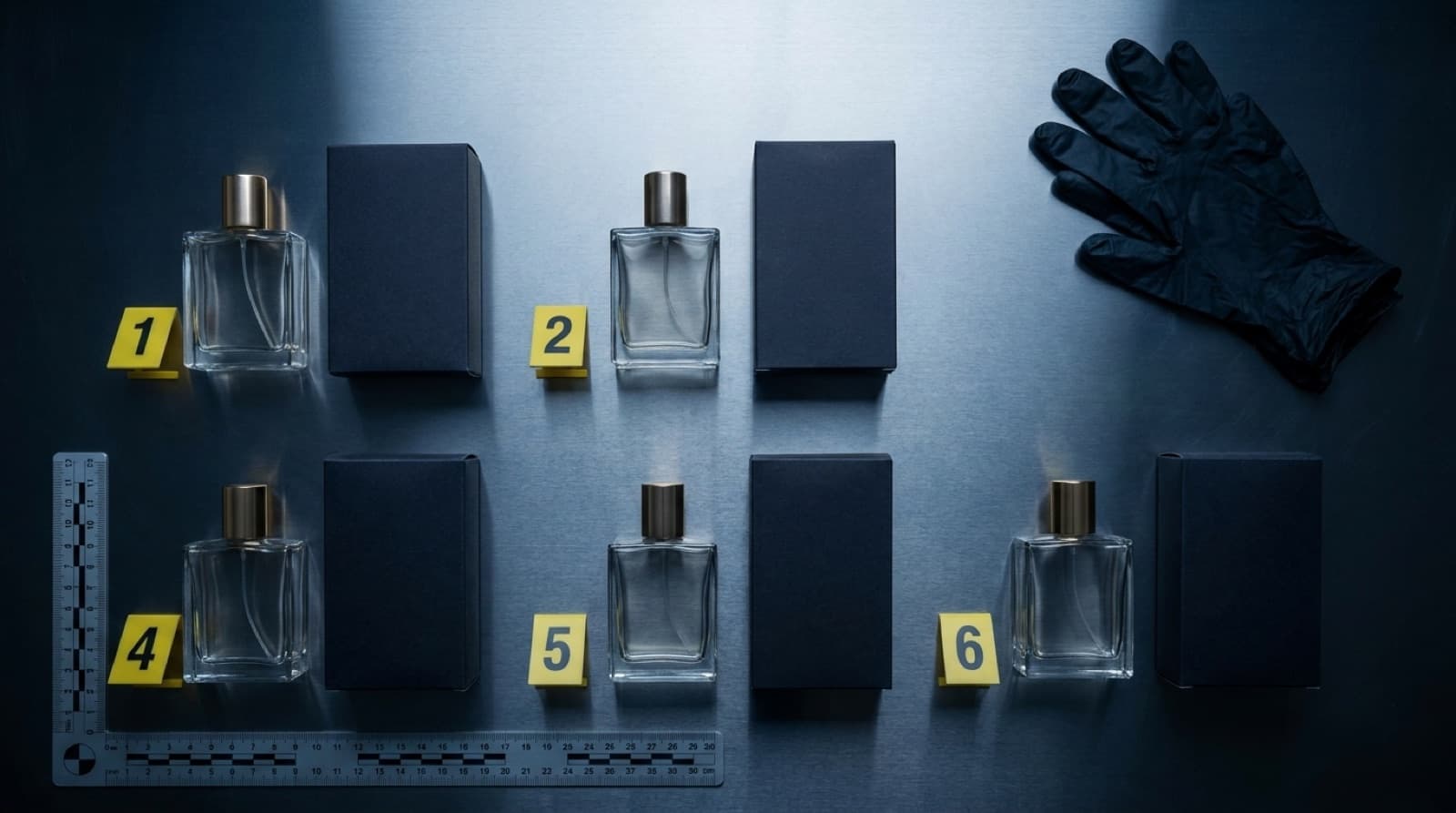
The sample stays where it is; the images travel. Working from a standardised photographic record of eight required shots, with lighting and scale set by protocol, an automated AI screening compares typography, alignment, finishing, batch code consistency and the integrity of the cellophane against the brand references; the expert validates the outcome. This level closes obvious cases quickly and decides whether going further is worth it. The examination identifies elements of compatibility, visible anomalies or discrepancies; the absence of photographic anomalies is not, by itself, absolute proof of authenticity.

Outcome

L1 report with findings and the photographic record attached.

Flaconi e astucci disposti su banco d'acciaio con segnalini numerati.
L1 · repertazione fotograficaFL·LAB·11

What is checked

  • 01Label typography and colour
  • 02Geometry of collar and cap
  • 03Batch code against the brand's own format
  • 04Cellophane seal and weave
  • 05Mandatory symbols and responsible-person details
  • 06EAN / reference match
L23/5 days

Physical examination

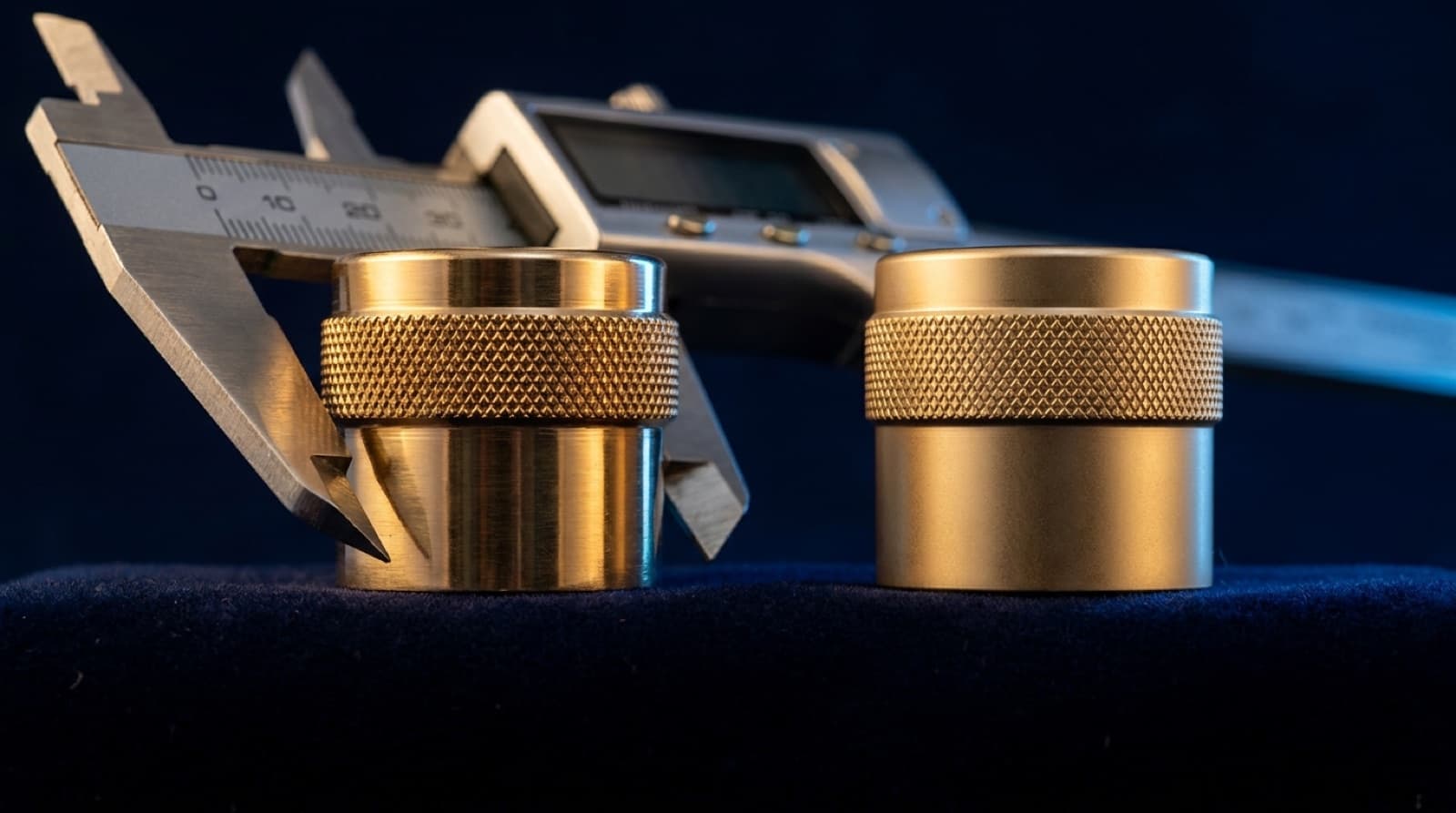
The sample comes into the laboratory and is compared against a genuine reference item. We measure: weight, volume, collar tolerances, cap extraction force, glass thickness, board weight and fibre. Differences are measured and documented, making the comparison technically reproducible and usable within the expert assessment.

Outcome

L2 report with a comparative table of measurements and deviations.

Due tappi in ottone confrontati con un calibro digitale.
L2 · comparazione dimensionaleFL·LAB·04

What is checked

  • 01Direct comparison with a genuine reference item
  • 02Dimensional measurement with digital calipers
  • 03Gross and net weight, actual volume
  • 04Analysis of the board substrate
  • 05Engraving, screen printing and embossing
  • 06Examination under raking light and UV
L37/10 days

Chemical analysis

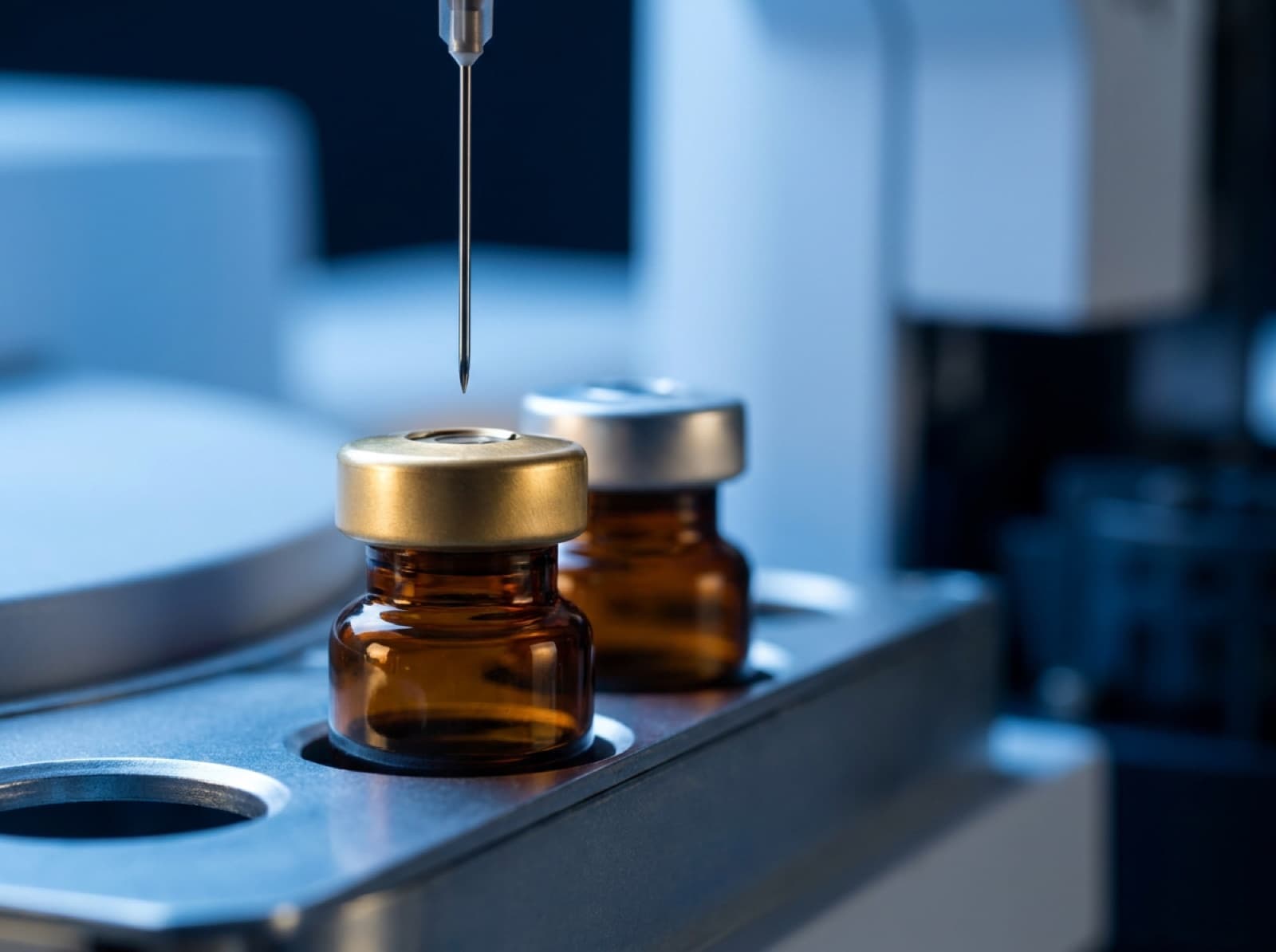
Gas chromatography coupled with mass spectrometry, carried out through certified partner laboratories, separates the juice into its components and returns its profile: a chromatogram is a fragrance's fingerprint. Compared against the genuine profile it shows absent peaks, foreign peaks and altered ratios. This is where industrial solvents and undeclared allergens surface.

Outcome

L3 report with comparative chromatogram, peak table and conclusions.

Vial ambrate nel carosello di un gascromatografo, con siringa di iniezione.
L3 · iniezione nel gascromatografoFL·LAB·02

What is checked

  • 01Sample preparation and dilution
  • 02Chromatographic separation and spectrometric identification of the compounds
  • 03Comparison against the reference profile
  • 04Detection of foreign compounds
  • 05Targeted screening for substances and markers of interest, according to the technical brief and the applicable method
  • 06Quantification of area ratios

L3 · The fingerprint

A fragrance has a fingerprint

The gas chromatograph separates it into its components; the mass spectrometer identifies them. Laid over the original's profile, the difference stops being an opinion.

Caso 2026-0418 · overlay

30 m column · He 1.2 ml/min · 40→280 °C

  • Profilo di riferimento
  • Campione in esame
Confronto dei marcatori fra profilo di riferimento e campione in esame
RTCompoundReferenceSampleFinding
4.12Limonene0.820.44below threshold
10.85Dietilftalato·0.68foreign
12.47Iso E Super1.000.58below threshold
16.05Cumarina0.420.20below threshold
18.64Ambroxan0.74·absent
22.10Galaxolide0.630.24below threshold

Demonstration values, consistent with protocol FL-P/03 · areas normalised on the reference's largest peak

The expert process

From suspicion to proof

Six stages that carry a doubt through to a document with evidentiary weight and, beyond that, to quantifying the damage.

  1. 01

    Observation and identification

    visual characteristics, materials and finishing

  2. 02

    Technical and comparative analysis

    comparison against database and genuine samples

  3. 03

    Advanced instrumental testing

    gas chromatograph at certified laboratories, and materials analysis

  4. 04

    Assessment and final report

    technical report with findings and recommendations

  5. 05

    Legal and investigative support

    admissible in legal proceedings

  6. 06

    Economic damage estimate for brands

    economic estimate validated by associated law firms and forensic economists

Protocol FL-P/04

The chain of custody

A report is worth only as much as the history of the exhibit behind it. If you cannot show where the sample has been and who handled it, the best analysis in the world is useless.

Read the protocol
  1. I.

    Presa in carico

    Il reperto viene numerato, fotografato in ingresso e sigillato. Il numero accompagna il campione fino alla restituzione.

  2. II.

    Registro dei passaggi

    Ogni apertura del sigillo è annotata con data, ora, operatore e motivo. Il registro è parte integrante del referto.

  3. III.

    Conservazione

    Campioni al riparo da luce e calore, in armadio chiuso. Le aliquote per l'analisi chimica sono prelevate una sola volta.

  4. IV.

    Restituzione o distruzione

    A conclusione della perizia il reperto torna al committente o viene distrutto su sua istruzione, con verbale.

Not sure which level to start from?

In most cases you start at L1: it costs little, closes obvious cases quickly, and tells you precisely whether going further is worth it. The Forensis Lab Verify™ pre-analysis proposes the level from the photographs and the purchase details.